Perspectives on the forces shaping health
Reservoir Health experts share analysis and ideas on the dynamics shaping health care decisions.

Reservoir Health experts share analysis and ideas on the dynamics shaping health care decisions.
Health care decisions are shaped by policy, evidence, trust, market dynamics, public debate, and individual experiences of patients and stakeholders. We share our perspectives to help leaders make sense of those forces and identify what to do next.
Reservoir Communications Group Rebrands as Reservoir Health, Reflecting Breadth of Health Care Expertise & Capabilities
New identity reflects firm’s integrated capabilities across policy, market enablement, and communications with a dedicated focus on helping health innovation reach patients
WASHINGTON, D.C., September 2, 2026 — Reservoir Communications Group today announced that it is now Reservoir Health, a new brand that reflects the firm’s longstanding focus on health care and expanded capabilities to help innovators shape policy, communications and market environments in support of patient access.
“Health care has always been our North Star, and our new brand reinforces our deep subject matter expertise and experience working across the health system and the innovation lifecycle to deliver creative, data-driven solutions that support patients,” said Robert Schooling, Reservoir Health Founder and President. “Our growth and expansion in policy, market enablement, and communications over the last decade has allowed us to serve as our clients’ ‘go-to’ for their most complex challenges and issues.”
Since its founding in 2014, Reservoir Health has grown from a public affairs and communications firm into an integrated strategic advisory firm for health care innovators. Its team brings experience from across the health system—including government, politics, media, patient advocacy and care delivery—and serves innovative life sciences and health care companies, trade associations and nonprofit organizations.
In November 2024, Reservoir Health announced an investment partnership with Periscope Equity, a Chicago-based private equity firm that partners with founder-owned, technology-enabled business services companies. The partnership between Reservoir Health and Periscope has focused on accelerating the firm’s growth and scale while broadening the firm’s capabilities in support of existing and new clients.
Reservoir Health’s expanded model is further strengthened by its recently announced acquisition of Applied Patient Experience, LLC (AppliedPX), a leading patient engagement and patient-centered research consultancy. The combination introduces a fully integrated patient evidence capability to Reservoir’s existing work across policy, communications and market readiness and positions the firm to help clients translate patients’ lived experience into decision-grade evidence that informs clinical development, regulatory strategy, market access, and patient and provider adoption.
Reservoir Health’s work is underpinned by its research team which delivers strategic insights and a clear roadmap for engagement through advanced qualitative and quantitative platforms, including our proprietary PRISM model.
To learn more about the Reservoir Health team, click here. For Reservoir Health Insights, click here.
Reservoir Health is a leading health care consultancy that helps innovators anticipate and shape the environments—policy, communications, and market—that determine which innovations reach patients. Based in Washington, D.C., the firm brings decades of experience across the health system, government, media, and patient advocacy to deliver integrated, data-driven solutions to health care’s most complex challenges.
Labor Day weekend not only marks the end of summer and return to school – it’s also the unofficial start to the political ad season. With the midterm elections less than 2 months away, campaigns will be in the final sprint to make their case and get out the vote – on the airways, on your screens, in your mailboxes and at your doorsteps.
According to a recent Axios article, nearly $3.6 billion has already been spent this year – putting 2022 on track to be the most expensive midterm election by ad spend. While the majority of political ad spending is on broadcast, digital/connected TV are becoming a bigger piece of the pie.
So, how do you stand out in a crowded environment and effectively use paid media to get your message across?
We’re continuously thinking about how paid media can help our clients effectively and efficiently reach their target audience and amplify their message. Reach out to brainstorm with us on how paid media can help you break through.
Reservoir Communications Group recently assembled the diverse experts and seasoned strategic partners of the Reservoir Advocacy & Alliance Network (RAAN) to discuss the negative impacts of misinformation and disinformation in the health care space – and what we can do to address it.
While both misinformation and disinformation can deceive audiences with false information that is widely disseminated, disinformation is intentionally, maliciously deceptive. In recent years the two terms have become widely used in relation to COVID-19 vaccines, but neither are new. Misinformation and disinformation in health care have been prevalent for decades. Home remedies touted as cures and gossip purported as medical advice is not a new phenomenon. Even widespread falsehoods like the idea that the Measles, Mumps and Rubella vaccination caused autism was based on a single, erroneous study that was later retracted that emerged years before social media.
During a virtual convening, our RAAN experts discussed the ways in which misinformation and disinformation impact diverse populations, hinder public health organizations and government entities from disseminating accurate information, and prevent people from receiving life-saving care. The conversation focused on the amplification of misinformation and disinformation, the lack of trust in medical and government institutions, and potential solutions for combatting misinformation and disinformation in the health care space.
Discussion Highlights:
RAAN experts also discussed several solutions that communicators can utilize to combat misinformation and disinformation in the health care space, including:
As health care communicators continue to navigate social media and other channels, they must confront a media landscape in which experts are not universally respected, and science as a field has been questioned. By working together to tailor accurate communications from trusted sources, we can make significant progress in combatting current misinformation and disinformation efforts.
Jul 18By: Liz Irons
Washington, DC – Reservoir Communications Group recently welcomed five new members to its team, including Courtney Tyne, who joins the firm’s senior team as a Managing Director with more than 15 years of experience in health policy and public affairs, focused on cost of care issues and health care access communications. Courtney’s experience in health policy runs deep. She has experience planning and executing a variety of value and policy-related projects, from corporate communications and policy narratives to executive thought leadership – all with the goal of advancing solutions-oriented policy.
Courtney comes to Reservoir from Real Chemistry, where she was a leader in the Corporate Pricing and Public Affairs team. She previously worked with the American Society of Clinical Oncology (ASCO), where she managed the development of their value of cancer care initiative. Courtney earned her Master’s in Public Health with a specialization in health care policy from the University of Texas Health Science Center School of Public Health. She has co-authored several publications with experts in the field of oncology and policy, including a seminal publication on assessing value in oncology.
Reservoir also announced the additions of Kelley Falisi, Emily Turek, Keishi Foecke and Sana Imam, further expanding the firm’s depth of media relations, public policy and advocacy expertise.
Kelley joins Reservoir as a Managing Associate following prior roles at SHIFT Communications and AXON Communications, where she managed media relations, content development and corporate communications for a variety of health care clients including life science companies, large and mid-sized global pharmaceutical companies, and a nonprofit organization. She has experience supporting communications for regulatory milestones and disease state awareness campaigns. Kelley graduated from Syracuse University’s S.I. Newhouse School of Public Communications with a B.S. in Public Relations.
Emily joins Reservoir as an Associate after most recently serving in a government affairs and policy role with the American Association of Colleges of Nursing. Through this role she interfaced with Congress, the White House, and federal administrative agencies, including the U.S. Department of Health and Human Services and U.S. Department of Education, on the delivery of health care and public policy strategy related to COVID-19 and public health safety. Emily graduated from Drake University with a B.A. in Public Policy with an emphasis on Economic Systems and Public Relations.
Keishi joins Reservoir as an Associate, bringing distinct expertise in health policy research and analysis with a focus on promoting health equity. While serving as a graduate student intern in the Centers for Disease Control and Prevention’s Public Health Law Program, Keishi supported projects assessing the impact of national, state, and local laws and policies on health outcomes and disparities. Keishi earned a Master’s in Public Health with a specialization in Health Policy Analysis from Washington University in St. Louis, where she also graduated with a B.A. in Global Health and a minor in American Culture Studies.
Sana also joins Reservoir as an Associate with a background in policy research and public health advocacy. Before joining the firm full-time, she was an intern with Reservoir and supported clients’ communications and content needs for a wide range of audiences. Sana also served as a research assistant at the Milken Institute School of Public Health. Sana is currently pursuing a Master’s in Public Health at George Washington University, where she graduated with a B.S. in Public Health and a minor in Political Science.
About Reservoir Communications Group
Reservoir Communications Group is a leading health care consultancy focused on helping clients address their most important challenges and opportunities in reputation, advocacy and brand strategy. Learn more at reservoircg.
The COVID-19 pandemic, coupled with our nation’s legacy of structural racism, has only exacerbated the poor health care access and outcomes Black and Brown communities experience in our system. Recent data from the Centers for Disease Control and Prevention shows a major difference in the risk of infection, hospitalization and death by race. Native Americans are over 2.5 times more likely to die of COVID compared to white Americans, according to the CDC data, which also showed that Black Americans are more than 1.5 times more likely, and Hispanic Americans 1.1 times more likely.
Low-wage workers living in low-income neighborhoods frequently lack the physical assets and resources needed to support good health, resulting in significant place-based inequities with profound consequences. After two years, the lowest-income workers have had the least access to vaccines and boosters and roughly 4 in 10 working-age Americans have either never been fully vaccinated or have not gotten a recommended booster, according to the Economic Policy Institute. These and other communities experience limited access to transportation, reduced access to jobs, poorer air and water quality, higher crime, and the lack of reliable health care coverage.
As a Black woman who is deeply anchored in the Black community, I see these negative outcomes manifested not as statistics, but as the everyday realities of my family, friends and neighbors. With every new disheartening diagnosis of hypertension, breast cancer, Lupus or heart disease, my desire to end racial inequities in health only intensifies.
For this reason, I am both humbled and honored to interview one of our nation’s most insightful and prolific medical minds – Dr. Richard Allen Williams, an advisor in Reservoir’s Health Analytics and Insights Group. Dr. Williams is the founder of the Minority Health Institute and the Association of Black Cardiologists. He is a well-known expert on hypertension, health care disparities, diabetes, obesity, heart failure, and sudden cardiac death.
Please Note: This interview has been edited for clarity and brevity.
MN: Dr. Williams, you have dedicated your career to fostering equity in health care. Heart disease and stroke are the leading cause of death for people of most racial and ethnic groups but remain especially acute within the Black community. How do we bring about change?
RW: In the late ‘60s, there was not much information underscoring the prominence of heart disease among African Americans. The thought at that time was that African Americans were resistant against diseases of the cardiovascular system. We didn’t have any data to show otherwise. I started doing research on the issue and later wrote a book called, The Textbook of Black-Related Diseases in 1975. I was able to accumulate a great deal of data on heart disease and found that idea of Black populations being somehow immune was absolutely erroneous.
I started an organization called the Association of Black Cardiologists. Nearly 50 years later, there’s a shift in our thinking and in our training. Your generation is in line to reap the benefits of some of the improvements that we’ve made about data collection and disease management and treatment. I hate to keep being retrospective, but look how far we’ve come. We’ve found out that Black people are twice as likely to suffer from heart attacks, and therefore, we deserve and need a great, maybe even greater, deal of attention on this problem.
MN: Medication nonadherence is a leading cause of inadequate hypertension management, leading to cardiovascular disease, stroke, and chronic kidney disease. Approximately 50% of patients with cardiovascular disease have suboptimal adherence to their prescribed medications. How do we improve medication adherence in communities of color?
RW: A lot of it has to do with health literacy. Unless you are taught something about your health, your body, and/or your diet, you don’t know. About 70% of people are health illiterate. They don’t know very much, if anything, about how their body functions, including when it comes to heart disease and strokes. They don’t know anything about high blood pressure. They ask [basic questions like], “What is hypertension?” “What is cholesterol?”
A stroke is like a thunderbolt hitting you in the brain. And you had no idea this was something looming in your background because you have high blood pressure. But if we assume that you did go to a doctor, the doctor diagnosed you with high blood pressure, and they told you to take some prescribed medicines, the doctor must work to make sure you understand the importance of taking the medicine. Fifty percent of the prescriptions written by doctors end up in the trash. We get beyond it with health education.
MN: Dr. Williams, you founded the Association of Black Cardiologists in 1974 – almost 50 years ago – and the Minority Health Institute more recently. From a health equity standpoint, what has improved and what has remained stagnant?
RW: I had a lot of concerns and fears when I started both organizations, but you have to try. You have to do some fact finding, gather some information, talk to some people who’ve been there and go for it. You’d be surprised what you can accomplish. I’ve been a trailblazer. That represents the passionate part of my efforts, but I’ve also been a hellraiser. You have to combine the trailblazing with the hellraising
The Affordable Care Act (ACA) has done a lot to expand access. Before the ACA was signed into law, there were approximately 30 million people who were uninsured. Once that bill was signed into law, 20 million of those people were covered immediately. That’s a gigantic contribution, especially when you consider that most of those people were poor minorities.
Despite all the refinements and additions that have been made in our attempts to improve health care delivery, particularly for minorities, the needle hasn’t moved much because racism is still underlying the situation and continues to prevent us from achieving true health equity. Perhaps, we need a social antibiotic for justice. Nothing will really change until we unite against racism.
__
This interview is the first installment of a new series entitled, The Deep Dive, in which members of Reservoir’s Advocacy and Alliance Network (RAAN) share learnings and perspectives on the healthcare landscape.
Alliance development and advocacy, from our perspective, is not a one-person job. It takes a village, and in our case, that village includes a network of strategic advisors we call the Reservoir Advocacy Alliance Network (RAAN).
The network includes a cadre of leading experts with deep expertise in health advocacy and strategic communications targeted to specific communities and issue areas. Their expertise spans multicultural communities, geographies, business sectors, healthcare providers, LGBTQ communities, diverse age groups, religious faiths, as well as important areas in healthcare including oncology, rare diseases and women’s health. Members of the RAAN will also play an advisory role in the development of Reservoir research tools, including the Patient Value Model.
While stakeholder engagement has been a core offer since founding the firm, we’ve more formally empaneled this network of leading strategists for one simple reason – perspective matters. And we wanted to ensure a depth and range of perspectives were fully available to our clients and colleagues.
How a certain community views and approaches an issue, policy position, disease area or product could be vastly different in other communities. Culturally competent, thoughtfully considered and informed perspectives represent the touchstone of successful communications efforts.
Which advocacy groups are the most effective in connecting with specific communities? Which social channels or community initiatives should be considered for a strategic program or campaign? How can we craft a message that matters to one group without forfeiting the interest of another? Our RAAN colleagues will help answer these and other important questions for our clients.
Our RAAN team of advisors includes:
Going forward we will feature the perspectives of our esteemed RAAN members through a series of articles, led by Reservoir’s own Michelle Nealy.
The next time you are thinking about an approach to a strategic issue, or working to address a complex problem, the RAAN team can help you find an answer that is fully informed by key insights and perspectives from leaders in the industry. It’s a 360-degree view that we believe will make all the difference.
“We need to protect women with research not from research.” I was struck by these words at the recent Society for Women’s Health Research annual Awards Gala during remarks from Dr. Diana W. Bianchi, director of the Eunice Kennedy Shriver National Institute of Child Health and Human Development at the National Institutes of Health.
I believe this sentiment struck a chord with me because, in the last two years of the pandemic, we have seen how important data is for making decisions and managing our health on a daily basis. At the beginning of the pandemic, we didn’t know what was safe. I remember wiping down my groceries at home and wearing a mask on outdoor walks. Soon research showed us that we needed to focus more on respiratory transmission, particularly indoors. Research is critical for assessing and managing risks in a rational, evidence-based way.
Until about 25 years ago, health research was conducted almost exclusively on men because researchers thought women’s hormone cycles would be difficult to account for in research. Unfortunately this led to a massive gap in our understanding of women’s health in general. There is so much more work needed to understand how diseases affect women compared to men, how women respond differently to treatments, and more. I have been honored to help support this work in my role as a board member for the Society for Women’s Health Research for the last 5 years.
Many of my colleagues at Reservoir are also focused on advancing women’s health in their work. To mark National Women’s Health Week (May 8-14), I asked some of them what they have learned about women’s health advocacy through their years in the space – here’s what they had to say:
Lee Lynch: “Women’s health advocates have always been resourceful and resilient, and the community applied these important traits to an even greater degree throughout the course of the pandemic. While keeping up with the (new) normal course of business, they also sought to make strides on critical pandemic-era issues including vaccine hesitancy and uptake, health care professional burnout and mental health challenges, delays in routine screenings, an early-on widening of health disparities, and preserving the potential for health outcomes and access gains from telehealth.”
Eva Whaley: “Working in women’s health has led me to understand how important representation is in health care – and it starts at the very beginning of drug development. Women have historically been underrepresented within clinical trials, and particularly women of color. Ensuring people from diverse backgrounds can participate in medical research is critical to advancing innovation for everyone, including people of different ethnicities and geographic locations, people with disabilities, pregnant individuals, and people with rare diseases.”
Setareh Samii: “In working with a company focused on advancing treatments for cardiovascular disease, I was shocked to learn the extent of disparities in cardiovascular care and outcomes among women compared to men. Limited awareness of how cardiovascular disease symptoms manifest in women has resulted in a more challenging health care journey for female patients, as research suggests they are more likely to report poor communication with their health care providers, less likely to report use of treatments like aspirin or statins, and more likely to use hospital emergency departments. More must be done to ensure women understand cardiovascular risk factors and are able to access the same level of care as their male counterparts.”
Michelle Nealy: “I have been engaged in advocating on behalf of Black and Brown communities for many years and while it is great to see an increased focus on health equity in recent years there is still a long way to go – particularly when it comes to the health of women of color. According to the Centers for Disease Control and Prevention, Black women are three to four times more likely to die from pregnancy or childbirth-related complications compared to white women. The tragic and unnecessary deaths of Black mothers in the U.S. is one of many reasons the continued focus on health equity and women’s health is imperative.”
We have a long way to go, but I am so glad to have these colleagues and many others giving their time and talents to advancing women’s health and research.
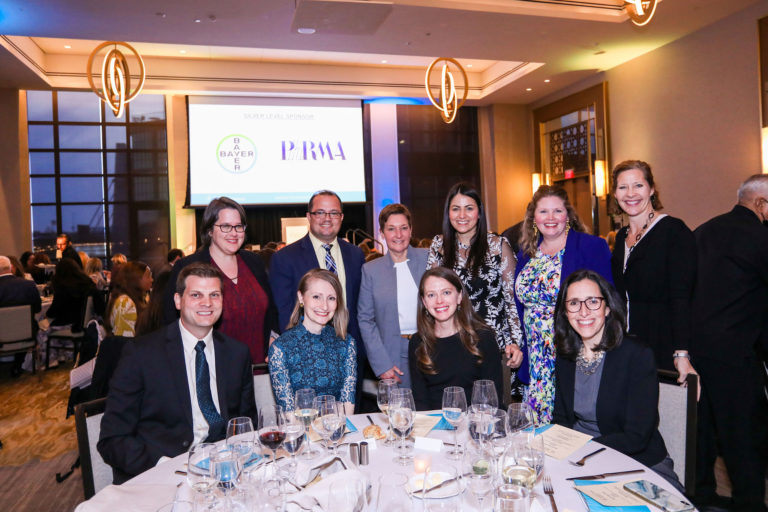
[Photo: Reservoir colleagues (and other friends) at the Society for Women’s Health Research Annual Awards Gala, April 28, 2022.]
Over the past two years, many of us have relied on virtual meetings to keep business moving forward. Without Microsoft Teams, Zoom, GoToMeeting and other platforms, we might not have seen each other’s faces throughout most of this long and continuing pandemic.
And while the business community, policymakers and nonprofits are now trying to ease back in to in-person meetings, virtual meetings are – at least to some extent – here to stay.
So, what have we learned about achieving successful outcomes through virtual and hybrid meetings that should become best-practices for moderators? Here are some takeaways that guide my approach to meeting moderation in this virtual era:
Preparation is Key
Know your goal and let that guide the meeting structure. Remember that goals, agendas and meeting structure can differ across virtual, hybrid or in-person sessions.
Alignment on meeting objectives should happen well in advance. Communicate to speakers and participants regarding the meeting plan, including their respective roles. The longer and higher profile the meeting, and the greater the number of speakers and participants, the more time will be needed for preparation.
While a content “prep” call for speakers participating in moderated meetings is always advised, I’ve also found it helpful to walk through specifics of the technical platform and to answer any logistical questions.
Speaking of technology – digital bandwidth and other technology-related issues continue to plague virtual meetings, but they don’t have to determine a meeting’s success. I’ve found it helpful to both provide contact information of a “tech specialist” – an individual whom meeting speakers and participants can reach out to if they run into issues, as well as a dial-in number for any meeting that has a virtual component.
Best Practices that Drive Engagement and Success
It’s vital to set ground rules at the start of a meeting, as you would for an in-person meeting, and also address virtual considerations – e.g., will you mute participants at any point? When during the meeting will you seek questions and feedback from participants? What role will the chat function play?
Regarding the chat feature, strongly consider utilizing chat to gather additional feedback, survey participants on ideas raised, support comments made during the meeting, and share links to resources mentioned. I have found the chat feature to be invaluable for engaging participants and securing information that is more easily shared via written comments.
It’s also important to give thought to the best way to introduce participants – leaving it open for any length of time can seriously eat into the meeting time. Instead, consider asking people to share, in 30 seconds or less, their name, organization and hopes for the meeting, or to list them on a slide the and introduce them, and to ask if anyone was missed. You might also consider asking participants to provide a brief fun fact about themselves to add a personal element to the meeting.
Also, where appropriate, stop and summarize. With so much to manage and take in during a virtual meeting, participants often appreciate when a moderator takes a few moments during natural transition points to summarize the conversation and comments. Along those same lines, give the volley of conversation a break from time to time. Especially for longer meetings, the virtual medium can make eyes glaze over. Look for ways to jump start interest through tactics that change the pace. Ask speakers for their top take away from the meeting so far, or ask participants for five seconds of what they took away from the last segment of the meeting.
For any virtual meeting where consensus is the goal, consider adding at least 30 minutes more than you might schedule for an in-person meeting. People tend to be more hesitant to speak out through virtual meetings and drawing out their opinions can take more time.
Finally, whether in-person or virtual, the meeting doesn’t end when time is up. Consider generating a written “report out” after the meeting to help align participants on the key take-aways and outcomes, and spark enthusiasm for the path forward.
Happy meetings to you!
Lee Lynch is a trained moderator and managing director at Reservoir Communications Group.
While the COVID-19 pandemic is moving in a positive direction in some areas, it continues to have far-reaching impacts beyond the spread of the virus itself and is still altering day-to-day realities for individuals and families across the globe. The same holds true for health care communicators, as we continue to face unique challenges—and opportunities—in the face of this global crisis.
While making sense of the latest COVID-19 information can be a daunting task for even the most experienced communicator, the pandemic has underscored the importance of executing a timely and informed media relations strategy to help deliver clear and consistent messages to a variety of audiences. For PR pros, this largely means getting back to basics:
Nurture Effective Communication
Ongoing communication is a critical component of responding to a crisis. Now more than ever, proactive, informed, and quick correspondence help position an organization or media contact as a go-to resource for journalists, the public and stakeholders alike.
Relatedly, it’s vital for communicators to keep the pulse on current and unfolding events and understand how they can contribute to the conversation, all while being mindful of a journalist’s beat or interest areas. Serving as a trusted source of information through the twists and turns of the pandemic can help solidify relationships with key contacts and audiences and allow you to inject your expertise in ongoing coverage. At Reservoir, we understand this important dynamic well, enabling us to keep regular contact with a robust portfolio of journalists on behalf of clients.
Prepare Your Messenger
Let’s not forget the important role of spokespeople and subject matter experts, who have been in high demand amid a never-ending news cycle. With the help of Zoom and other virtual technologies, it’s easier than ever to conduct media interviews or briefings. Tactics like a satellite media tour, which help amplify key messages to a broad or targeted consumer audience, can be done virtually, saving your spokespeople a trip to a broadcast studio. Since it’s a lot easier to quickly engage with media, it’s important to ensure your organization’s spokespeople are continually prepared to share their perspective.
Understand Your Audience
With so much information (and misinformation) swirling, it’s vital to always keep your audience in mind and how they can best hear/see and digest both simple and complex messages. Consider what might be on their minds, distill what they need to know and understand the best ways of reaching them whether through the local paper, a specific social media outlet or a trusted broadcast source. With the internet taking on an even more prominent role in the lives of Americans during COVID-19, it’s necessary to think through alternative ways to reach your targets.
Get Creative
Of course, it never hurts to integrate creative thinking to a media plan. At Reservoir, we specialize in drawing on new ways to help weave complex elements into cohesive and compelling narratives that reach target audiences. For example, we like to think about issues from all sides, find common ground and connect with health care influencers, who may on the surface sometimes seem like unlikely or atypical allies. These partnerships result in respected influencers engaging in our work, allowing our clients to tap into unique audiences while driving greater visibility for their causes. It can’t hurt to think big.
The COVID-19 pandemic continues to throw curveballs. By getting back to the basics, health care communicators are well equipped to share helpful perspectives that better inform their audiences so they can make sense of the moment.
Needless to say, this year has been challenging. At Reservoir, like many other workplaces, we all became well acquainted with our make-shift workspaces at home and relied more than ever on our wi-fi connections. For nine months, we’ve adapted our work styles and learned how to create a virtual office, even if we still miss out on our killer pantry snacks and have to navigate the children and pets – or even the FedEx guy at the door – who have become our new “coworkers.” But through it all, we’ve remained true to our core values and beliefs as a firm, and particularly to our Social Good efforts and commitment to support the DC community.
Recognizing the evolving nature of the pandemic, Reservoir’s Social Good team set out to create safe, socially distant opportunities this year, relying heavily on the strengths and skillsets of our colleagues. And, with the ever-growing social and economic impacts of COVID-19, we redoubled efforts to support local organizations and help those in our own neighborhoods with a hands-on approach.
Reservoir’s Social Good work is driven largely from the ground up, with colleagues identifying organizations and issues to highlight. Notably, colleagues are eager to participate. This year, we began by supporting Feed the Fight, a local effort to patronize restaurants and show support for healthcare workers on the front lines of the pandemic at the same time. Leaning on our expertise, Reservoir assisted with developing a media strategy and conducted media outreach as Feed the Fight got off the ground and quickly grew to support businesses and frontline workers across the DMV area.
Building on 2019 efforts, Reservoir also continued to engage with GOODProjects, a DC organization focused on transitioning families out of poverty. While we could not join the GOODProjects team in person, Reservoir developed and launched an online professional development workshop series for parents in the DC area looking to hone resume building, cover letter writing, and interviewing skills. Similar to our approach to client work, these workshops are a true collaboration among colleagues with diverse backgrounds and experiences and are a product of the deep knowledge and expertise of the whole Reservoir team.
Topping off our virtual activities, the Reservoir team also continued to give back financially to organizations we’ve long supported. In the fall, colleagues pooled monetary donations to purchase indoor activity kits for the women that Calvary Women’s Services supports. Our colleagues also formed a team and fundraised for Calvary’s first-ever virtual 5K. And to cap off the year, Reservoir collectively donated to So Others Might Eat’s holiday toy drive for children in the DC area experiencing homelessness or extreme poverty.
Looking back at 2020, we’ve all made changes and adapted to our current reality. And it’s comforting to know that, despite the pandemic, we continued to honor our commitment to social good work and ability to give back to our community.